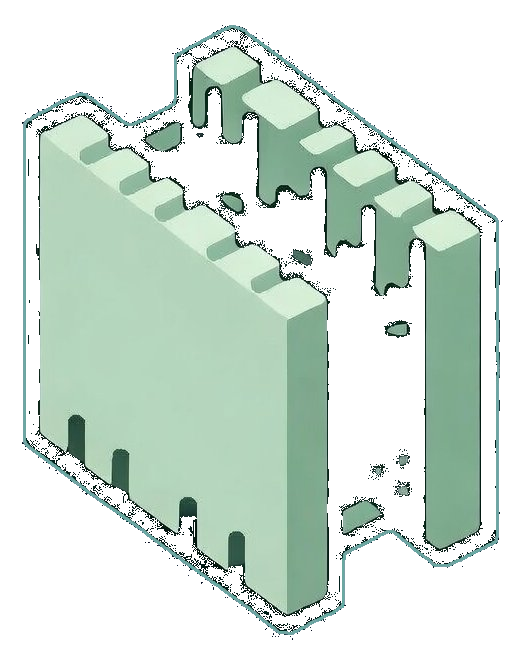
The most common question about ICF construction is cost. Yes, ICF costs more upfront than wood framing — but the real question is: what's the total cost of ownership over 10, 20, or 30 years?
This analysis breaks down both upfront costs and long-term value to help you make an informed decision.
Upfront Construction Costs
Let's compare a typical 2,500 sq ft home in Central Texas:
| Category | Wood Frame | ICF |
|---|---|---|
| Wall system (labor + materials) | $35,000 - $45,000 | $50,000 - $70,000 |
| HVAC system | $12,000 - $18,000 (4-5 ton) | $8,000 - $12,000 (2-3 ton) |
| Exterior finish | $15,000 - $25,000 | $12,000 - $20,000 |
| Total Premium | Baseline | +$10,000 - $25,000 |
The ICF premium on a $400,000 home is typically 5-8% — not the "double the cost" myth some people believe.
Annual Operating Savings
Here's where ICF starts to shine. Texas homeowners with ICF report these annual savings:
| Savings Category | Annual Savings | Notes |
|---|---|---|
| Energy (heating/cooling) | $1,500 - $3,500 | 50-70% reduction vs wood frame |
| Homeowners insurance | $400 - $1,200 | Fire & storm resistance discounts |
| Maintenance | $300 - $800 | No rot, termites, or repainting |
| Total Annual Savings | $2,200 - $5,500 |
Payback Period
Using average numbers:
- ICF premium: $18,000
- Annual savings: $3,500
- Payback: 5.1 years
After year 5, you're saving $3,500+ every year for the life of the home. Over 30 years, that's over $100,000 in savings — far exceeding the initial investment.
What the Numbers Don't Show
Beyond pure dollars, ICF provides value that's hard to quantify:
- Comfort — No hot/cold spots, consistent temperatures throughout
- Quiet — 50% less outside noise penetration
- Durability — Walls last 100+ years vs 30-50 for wood
- Safety — 4-hour fire rating, tornado/hurricane resistance
- Health — No mold growth in wall cavities
- Resale value — ICF homes command premium prices
See How ICF Fits Your Budget
Get a custom quote comparing ICF costs for your specific project.
Request a QuoteWhen Wood Frame Makes Sense
To be fair, ICF isn't always the right choice:
- Tight budgets with no room for upfront premium
- Short-term ownership (less than 5 years)
- Speculative builds where buyers won't pay for quality
- Additions to existing wood-frame homes (can still work, but adds complexity)
When ICF Is the Clear Winner
- Your "forever home" — maximize long-term value
- Texas climate — extreme cooling needs make energy savings significant
- Storm-prone areas — peace of mind is priceless
- Noise concerns — near highways, airports, or busy streets
- Health priorities — no mold, better indoor air quality
Bottom line: If you're building a home you'll own for 10+ years, ICF is almost always the smarter financial choice — plus you get a more comfortable, durable, and safer home.