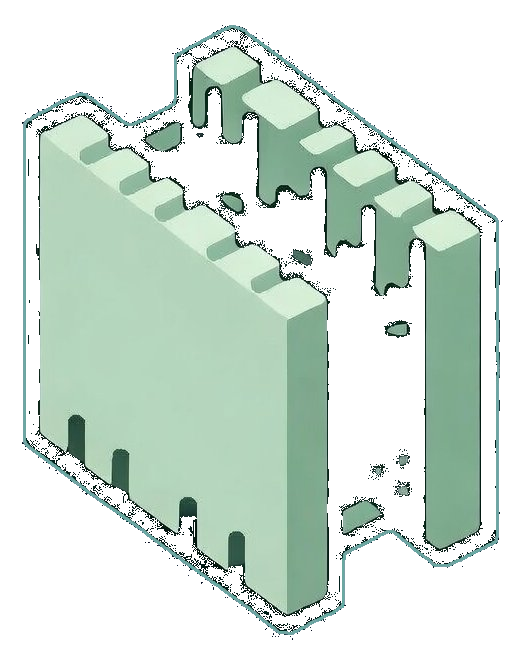
ICF homes combine reinforced concrete strength with continuous insulation for homes that are energy-efficient, hurricane-proof, fireproof, and built to last 100+ years. Here's everything you need to know about building an ICF house.
ICF homes outperform traditional construction in every category that matters to Texas homeowners.
ICF homes use 50-70% less energy for heating and cooling. Continuous insulation eliminates thermal bridging common in wood frame construction.
Steel-reinforced concrete walls withstand 200+ MPH winds and flying debris. FEMA-approved for safe room construction in tornado alleys.
ICF walls achieve a 4-hour fire rating. The concrete core won't burn, giving occupants time to evacuate and firefighters time to respond.
STC ratings of 50-55 block outside noise dramatically. Traffic, storms, neighbors—they all stay outside your ICF home.
Concrete doesn't rot, warp, or attract termites. ICF homes maintain structural integrity for generations, not just decades.
Energy efficiency, disaster resistance, and durability command premium prices. ICF homes sell faster and for more money.
ICF construction typically costs 5-10% more than wood frame, but energy savings often pay back the premium within 5-7 years.
Prices include ICF walls. Final cost depends on finishes, land, foundation, and local market conditions.
Here's what to expect when building your ICF home in Texas.
Work with an architect or use ICF-optimized house plans. ICF walls can be any shape but benefit from efficient layouts. We can recommend ICF-experienced designers.
Send us your plans for a free material takeoff. We calculate exactly what ICF forms, corners, rebar, bracing, and accessories you need. No guesswork, no shortage, no waste.
Concrete footings are poured with rebar dowels. The first course of ICF is set, leveled, and braced. This critical step ensures plumb, square walls.
ICF forms stack like large building blocks. Window and door bucks are installed. Turnbuckle bracing keeps walls perfectly plumb. Horizontal and vertical rebar is placed as walls rise.
Concrete is pumped into the forms in 4-foot lifts. A typical 2,500 sq ft home uses 25-35 yards of concrete. Walls cure in 24-48 hours.
From here, construction proceeds like any home: roof system, mechanical/electrical/plumbing, exterior finishes (stucco, stone, siding), and interior drywall/trim/finishes.
Real ICF homes built with materials from Professional Building Supply.
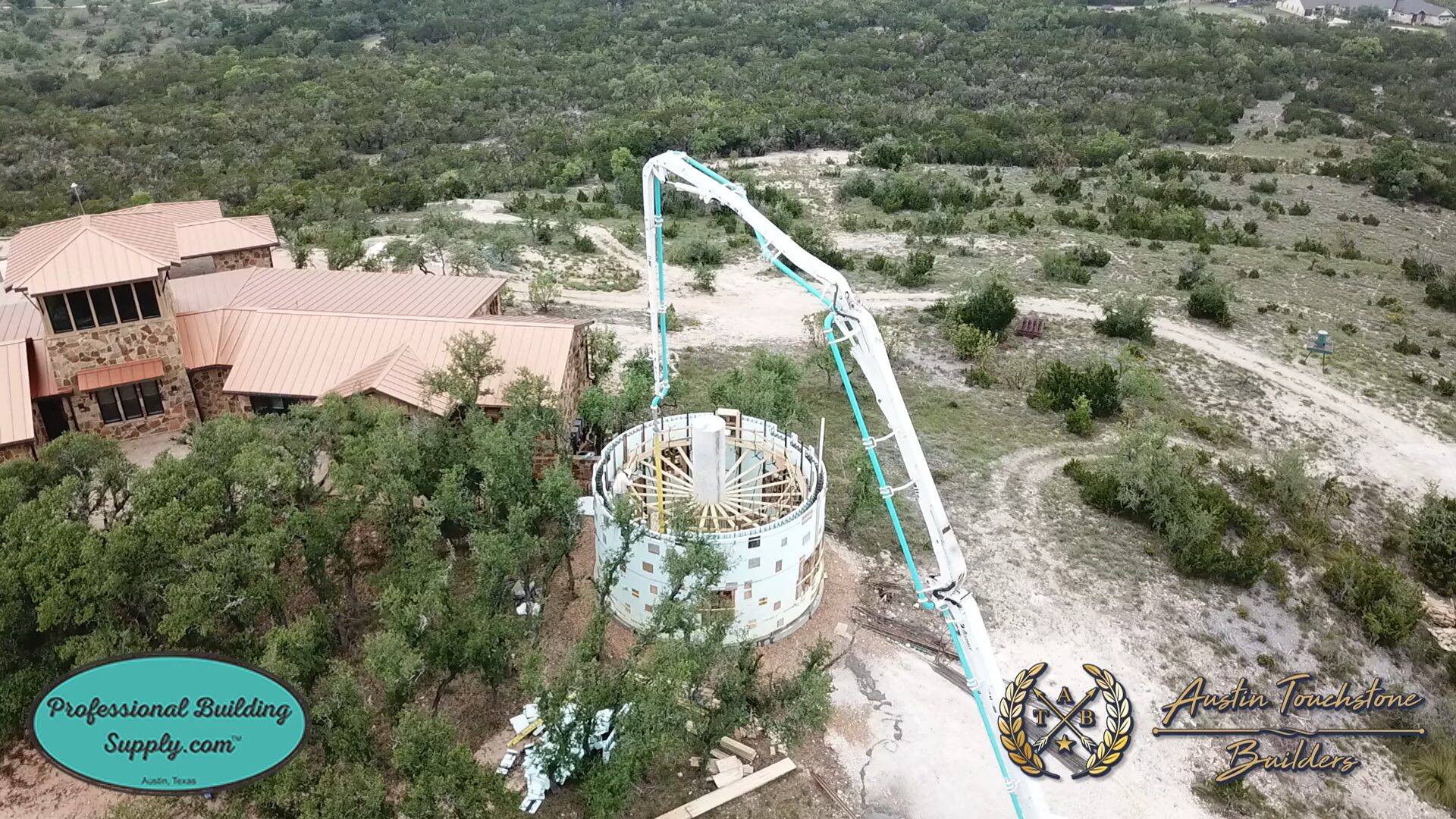
Award-winning ICF construction featuring the Nudura Plus+ Series for maximum energy efficiency.
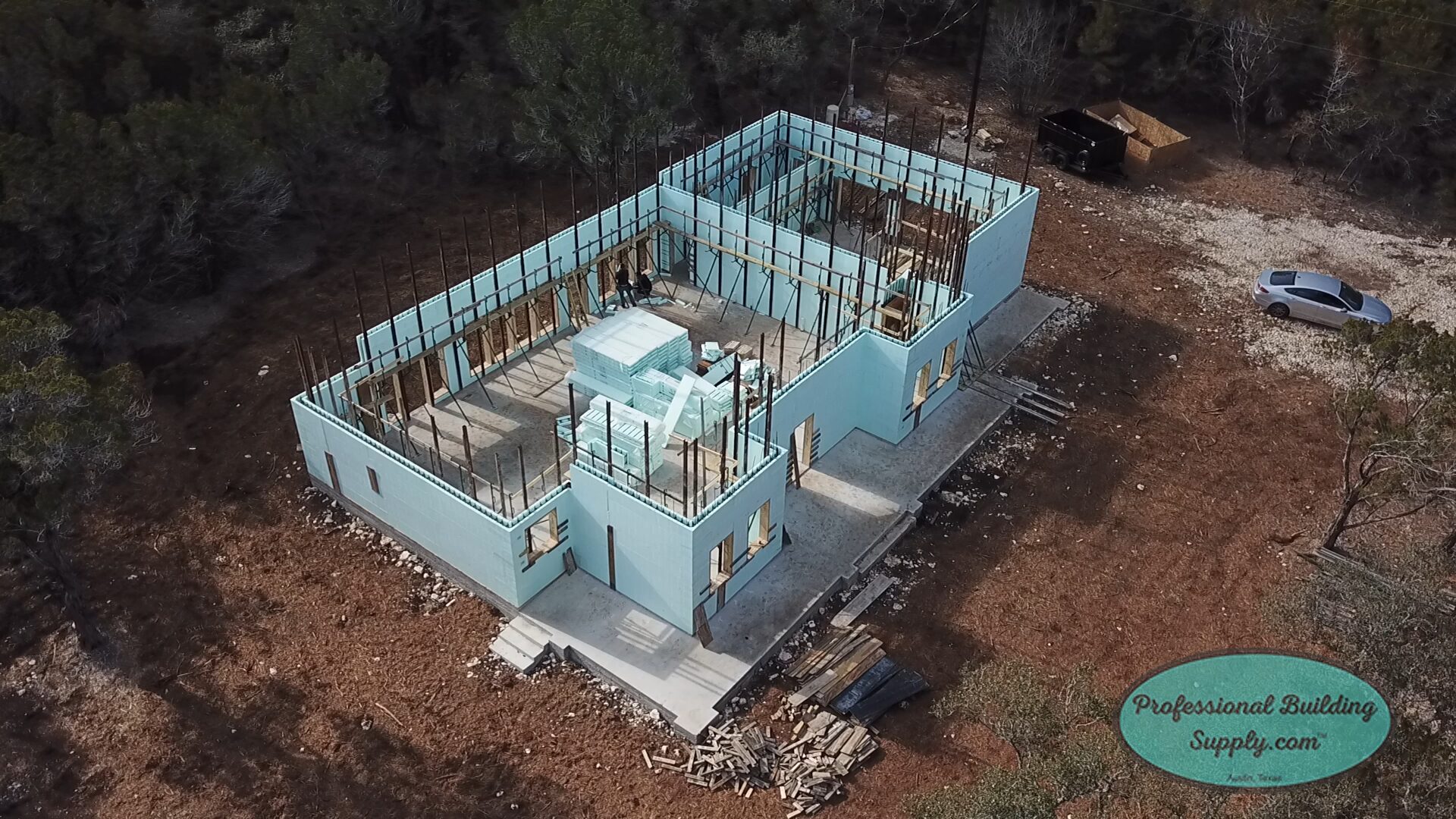
3,200 sq ft ICF home in the Texas Hill Country with exposed concrete accents.
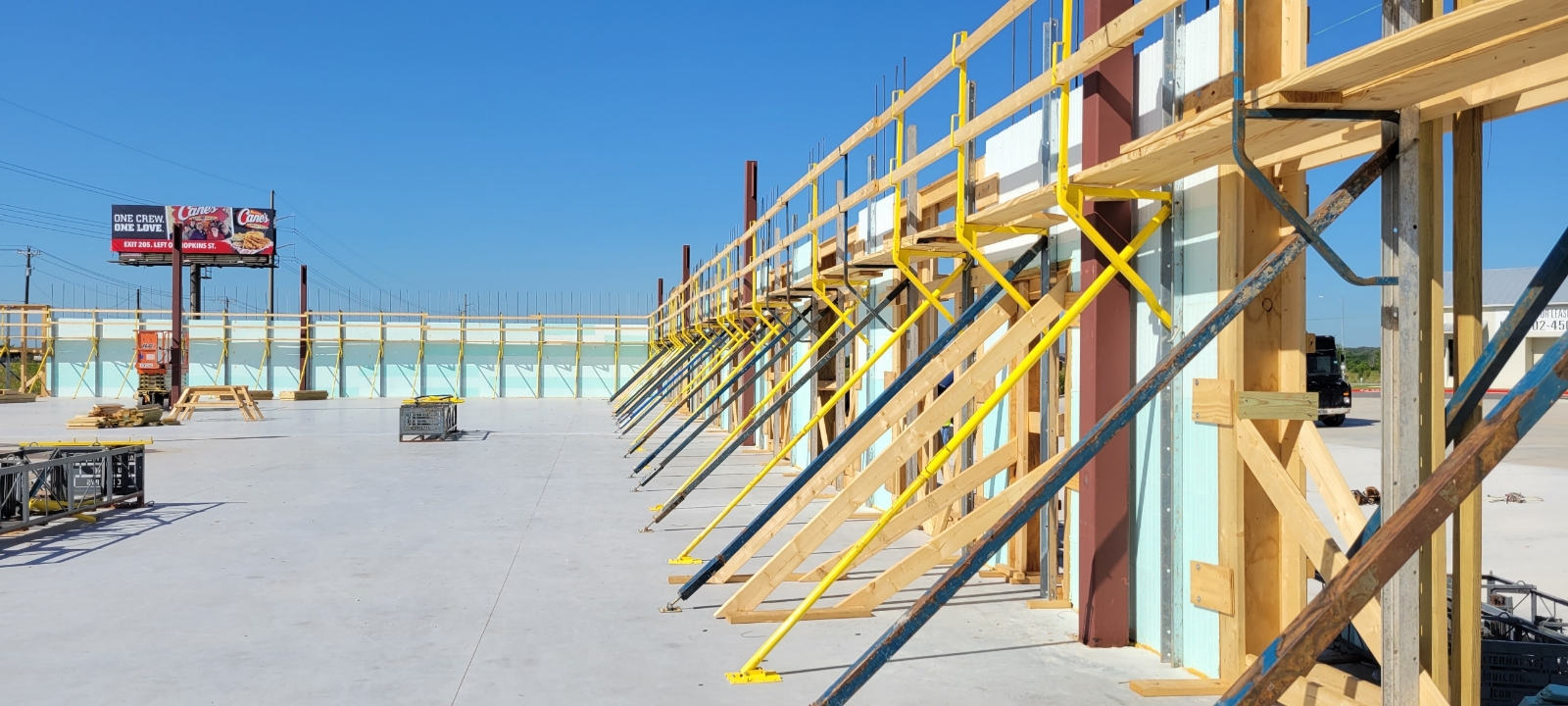
Lakeside ICF construction with hurricane-resistant design and R-35 walls.
ICF homes typically cost 5-10% more than comparable wood frame homes. However, HVAC systems can be smaller, insurance premiums are lower, and energy savings of $2,000-4,000/year often pay back the premium within 5-7 years.
Yes! ICF homes can be built in any architectural style: modern, traditional, Mediterranean, Hill Country, farmhouse, or contemporary. The foam forms can be shaped for curves, arches, and complex geometries.
Yes. ICF homes routinely qualify for ENERGY STAR, LEED, NGBS Green, and various state energy programs. The inherent efficiency makes meeting certification thresholds straightforward.
We maintain a network of ICF-experienced contractors throughout Central Texas. We also offer free contractor training, so your preferred builder can learn ICF techniques if they're new to the system.
Many plan services offer ICF-specific or ICF-adaptable designs. We can recommend sources and help evaluate whether a plan is well-suited for ICF construction. See our ICF House Plans resource page.
ICF wall construction is comparable to wood frame timing—sometimes faster. The overall build schedule is similar to conventional construction since most time is spent on finishes, not structure.
Professional Building Supply provides ICF materials, free contractor training, and expert support for your Texas ICF home project. Let's discuss your plans.
📞 512-410-9692